Top Benefits of Electronics Reuse: Why You Should Not Toss Your Gadgets
Electronics recycling presents numerous benefits that transcend beyond simple disposal. Many people overlook the ecological harm caused by e-waste, which contains hazardous materials. Additionally, recycling can conserve precious natural resources and create local jobs. It also offers a way to organize homes while possibly yielding financial returns. Understanding these benefits is essential. What are the distinct impacts of conscientious recycling practices? The answers may surprise you.
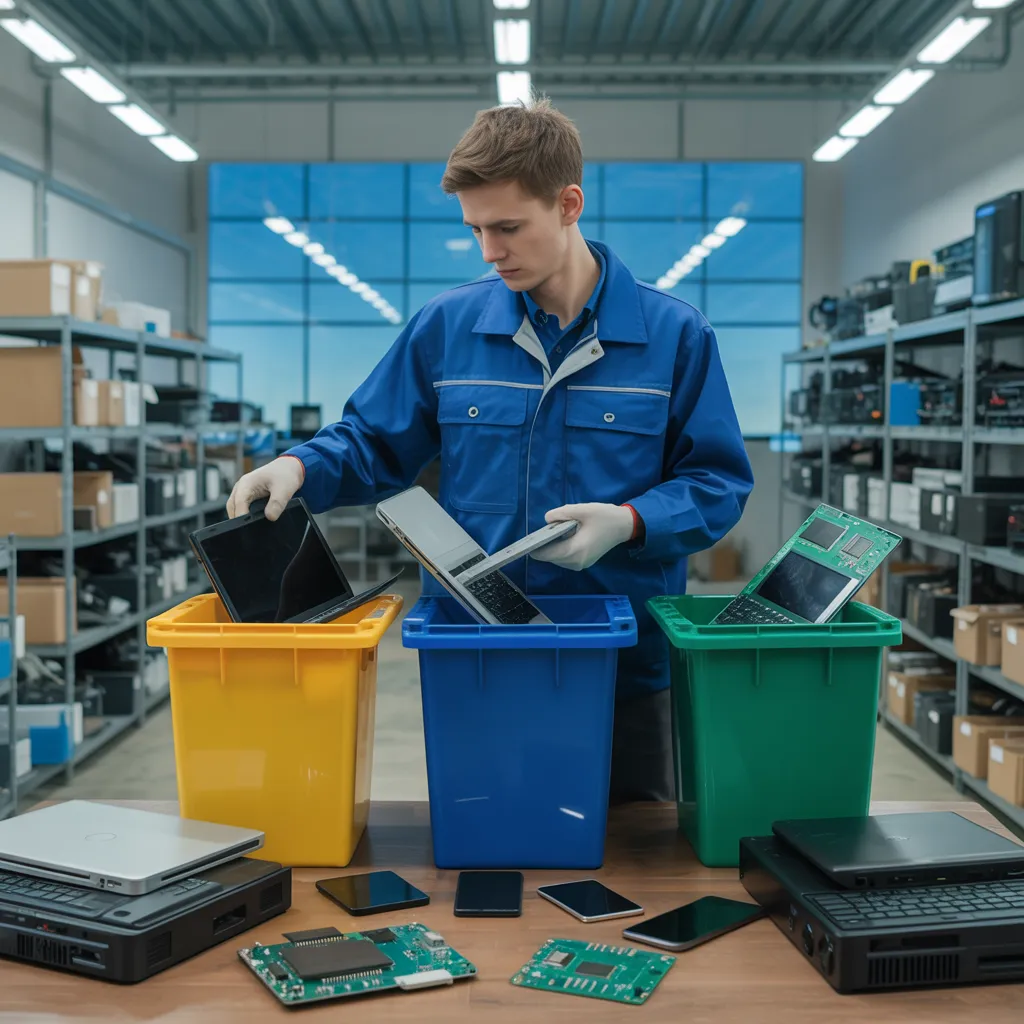
The Ecological Impact of E-Waste
As electronic devices become increasingly integral to modern life, the issue of e-waste has appeared as a substantial environmental concern. Unwanted electronics lead to a growing global emergency, with millions of tons of e-waste produced annually. This waste often holds hazardous materials such as lead, mercury, and cadmium, which can infiltrate into soil and water, posing serious health risks to ecosystems and communities.
Additionally, careless discarding of e-waste intensifies pollution and depletes valuable resources. Landfills packed with electronics can expel toxic fumes, while the energy-intensive processes necessary in manufacturing new devices contribute to increased carbon emissions.
The pile-up of e-waste not only endangers biodiversity but also impacts air and water quality. As the digital age keeps growing, addressing the environmental impact of e-waste through ethical recycling and disposal will be necessary in mitigating these negative effects on the planet.
How Electronics Recycling Protects Natural Resources
A significant amount of valuable matter can be obtained through electronic waste recycling, making it an fundamental practice for maintaining natural resources. Electronic devices contain rare metals such as gold, silver, and copper, which can be extracted and recirculated, reducing the need for new mining operations. Mining is often resource-intensive and harmful to ecosystems, leading to deforestation and pollution.
By recycling electronics, the demand virgin materials decreases, saving water, energy, and other resources required in extraction and processing. Additionally, recycling helps to prevent hazardous substances found in e-waste, like lead and mercury, from leaching into the environment.
This undertaking not only alleviates planetary harm but also strengthens conscientious resource practices. Ultimately, technological waste recycling constitutes a key element in forming a sustainable economic cycle, where materials are repurposed rather than disposed of, thereby making certain that finite resources are retained for future generations.
Tech Waste Recycling Positive Impacts for Local Regions
Electronics recycling yields valuable benefits for local communities by opening new job positions in the sustainable economy. In addition, it lessens environmental harm, promoting cleaner and healthier living conditions. These positive effects instill a sense of shared community responsibility and sustainable living.
Career Development Opportunities
Converting discarded electronics into valuable resources produces significant job opportunities within local communities. Electronics recycling facilities need a broad labor force to manage the retrieval, sorting, and treatment of waste electronics. This field not only establishes openings in recycling plants but also supports secondary positions in logistics, transportation, and sales of refurbished goods. Local communities profit from the influx of employment, contributing to community stability and expansion. Additionally, training programs often arise alongside these projects, supplying individuals with skills in technology and environmental management. As communities implement recycling efforts, the potential for job creation becomes a strong incentive for individuals to participate in sustainable practices practices, ultimately promoting a more green and financially dynamic world.
Lowering Environmental Footprint
Electronic waste recycling is key to minimizing environmental impact, resulting in cleaner communities. Correct disposal of e-waste prevents the release of toxic substances like Pb and mercury into soil and water supplies. Electronics recycling retrieves valuable resources like metals and plastics, which get reused, cutting the need for fresh raw materials. This process lowers energy consumption and greenhouse gas emissions linked to manufacturing new products. In addition, local communities profit from enhanced public health when toxic substances do not end up in landfills. Promoting responsible recycling efforts enables neighborhoods to improve environmental quality and move towards sustainability. Electronics recycling ultimately bolsters community resilience and preserves natural ecosystems for years ahead.
How Recycling Electronics Assists You Decluttering Your Home
Electronics recycling offers a practical solution for people seeking to clear out unused devices. By responsibly disposing of outdated gadgets, one can make valuable space in their home. This process not only decreases clutter but also encourages a cleaner living environment.
Remove Inactive Equipment
Removing unused devices can significantly clear a home and form a more organized living environment. Many households collect outdated electronics, such as old phones, laptops, and gaming consoles, which occupy important space. By recycling these items, people can organize their living spaces, making it easier to locate essential tools and enjoy a tidier atmosphere. Moreover, this practice not only aids personal organization but also supports responsible disposal of hazardous materials found in electronics. Participating in electronics recycling ensures that these devices are handled properly, preventing potential environmental damage. In the end, clearing out unused gadgets promotes a sense of achievement and encourages a more minimalist lifestyle, improving overall well-being.
Build Extra Space
Shifting a messy space into an organized haven begins with the prudent elimination of outdated equipment. Countless households accumulate aging gadgets that not only fill important space but also contribute to a disorganized environment. By taking part in electronics recycling, individuals can readily reclaim this space and nurture a more calm atmosphere. Salvaged electronics are commonly dismantled, allowing for the retrieval of components that can be reused, thereby avoiding waste from ending up in landfills. This endeavor not only relieves physical mess but also offers contentment, knowing that the devices are being handled conscientiously. Ultimately, device recycling fosters a more systematic home while championing planetary sustainability, creating it a mutual gain for both homeowners and the planet.
Financial Advantages of Electronics Recycling
Recycling electronic devices delivers important economic gains for both individuals and businesses.
For businesses, electronics recycling can bring about cost savings by minimizing waste disposal fees and limiting landfill taxes. Furthermore, companies pledged to sustainable practices can improve their brand prestige, reaching environmentally conscious consumers.
Additionally, recovered materials from recovered electronics, such as metals and plastics, can be reclaimed, contributing to lower production costs in new devices. This not only generates revenue for recycling firms but also supports a circular economy, ultimately benefiting the broader community. By embracing electronics recycling, both individuals and businesses can enjoy tangible financial savings while supporting environmental sustainability.
How to Correctly Dispose of Your Old Electronics?
Properly getting rid of old electronics demands thoughtful planning to guarantee both ecological protection and compliance with regulations. People should start by identifying local e-waste disposal programs, which often offer designated drop-off locations or pickup events. Many municipalities and retailers offer secure recycling solutions for outdated gadgets.
It is important to store any private information and carry out a factory reset on electronics before disposing of to safeguard privacy. Moreover, removing batteries from electronics is required, as they require separate handling due to their hazardous components.
Furthermore, consumers ought to refrain from putting electronics in regular trash bins, as this can add to landfill waste and environmental contamination. Researching qualified electronic waste recycling companies is recommended, as these organizations follow proper procedures to ensure responsible recycling. By implementing these measures, individuals can contribute to a environmentally friendly tomorrow while making sure that their old electronics are handled responsibly.
Popular Misconceptions About Electronics Recovery Debunked
What are some common misconceptions regarding the practice of electronics recycling? Many people mistakenly believe that all electronic devices are recycled in the same way. Recycling processes differ considerably based on the category of device and substances included. Another widespread myth claims recycling electronics is not eco-friendly. Effective recycling stops hazardous materials from polluting landfills and recovers useful resources. Some assume recycling is too complicated, but numerous facilities provide easy drop-off choices or pickup services. Additionally, a see more prevalent belief is that only outdated or broken devices should be recycled. However, even functioning electronics can be refurbished and reused, extending their lifecycle. Lastly, many individuals believe electronics recycling is expensive. In numerous cases, recycling programs are free or offer incentives. Clearing up these myths encourages responsible disposal and prompts more individuals to take part in electronics recycling.
Frequently Asked Questions
What Varieties of Electronics Can Go Through Recycling?
You can recycle various electronics, including smartphones, computers, televisions, printers, and tablets. Also, peripherals like keyboards, mice, and chargers are allowed, helping to decrease waste and recover valuable materials for reuse in new products.
What Fees Might You Face for Recycling Electronics?
Recycling electronics fees can differ. Some facilities levy a small charge for particular products, while others offer complimentary options. It is advisable to check with local recycling centers for their particular policies and requirements.
May I Donate My Old Electronics Instead?
Yes, used devices can frequently be donated to charities, schools, or community organizations. Many groups receive functioning devices, offering a second life for electronics while supporting those in difficulty, thereby encouraging sustainability and mutual aid.
How Do I Guarantee My Data Is Wiped?
To guarantee data is wiped, one must use software designed for secure data erasure, perform a factory reset, or permanently damage the storage device. Each method ensures that confidential data proves off-limits to others.
Where Do Refurbished Electronics Go?
Recycled electronics undergo separation, where valuable substances are recovered. Parts like metals, plastics, and glass are handled for reuse, minimizing landfill accumulation and boosting responsible material reuse while mitigating environmental impact and safeguarding natural resources.